
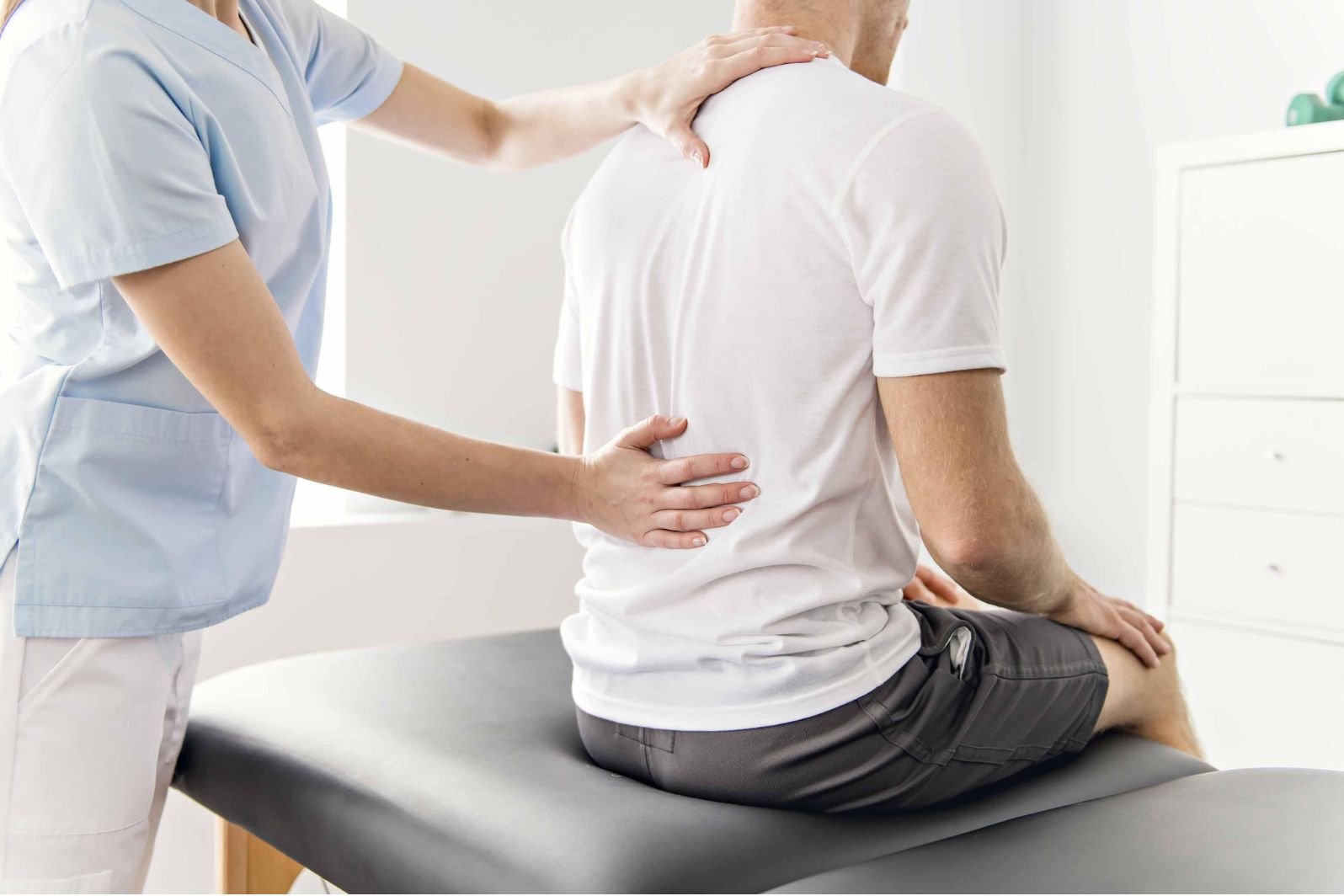
Chronic pain can take a serious toll on daily life, limiting mobility and affecting overall well-being. As a result, many people are exploring advanced, non-surgical treatments that focus on healing rather than just symptom relief. One such option is platelet-rich plasma (PRP) therapy, a regenerative approach designed to support the body’s natural repair process.
What Is Platelet-Rich Plasma (PRP) Therapy?
Platelet-rich plasma (PRP) therapy is a minimally invasive treatment that uses components from your own blood to promote healing. The process involves drawing a small amount of blood, separating the platelets, and injecting the concentrated plasma into the affected area.
Platelets are rich in growth factors, which play a key role in tissue repair, reducing inflammation, and accelerating recovery. Because of this, PRP therapy has become a popular option for managing joint pain, soft tissue injuries, and certain chronic conditions.
How PRP Therapy Helps with Pain Relief
PRP therapy works by enhancing the body’s natural healing response. Once injected into the targeted area, it stimulates tissue regeneration and helps reduce inflammation over time.
This treatment is commonly used for:
- Joint pain in areas such as the knees, shoulders, and hips
- Tendon injuries
- Ligament damage
- Lower back pain
It is often considered by individuals seeking alternatives to surgery or long-term medication use.
What to Expect During the Procedure
The PRP procedure is relatively quick and typically performed on an outpatient basis. It generally includes three main steps:
- Blood Collection: A small amount of blood is drawn from a vein in the arm
- Processing: The sample is placed in a centrifuge to separate platelet-rich plasma
- Injection: The concentrated plasma is injected into the affected area, often with imaging guidance for precision
Most patients experience minimal discomfort, and the entire process usually takes less than an hour.
Recovery and Results
Recovery following PRP therapy is usually faster compared to surgical treatments. Some mild swelling or soreness at the injection site may occur, but this typically resolves within a few days.
As healing progresses, patients may notice:
- Reduced pain and inflammation
- Improved mobility
- Enhanced tissue repair
Combining PRP therapy with supportive treatments like physical therapy can further improve outcomes and help restore strength and flexibility.
PRP vs. Other Pain Management Treatments
While PRP therapy can be effective, it is often part of a broader pain management strategy. Depending on the condition, other treatments may also be considered, including:
- Spinal cord stimulation for nerve-related pain
- Trial procedures to evaluate long-term pain relief options
- Advanced therapies for chronic back and nerve pain
A comprehensive approach allows healthcare providers to tailor treatment based on individual needs.
Is PRP Therapy Right for You?
PRP therapy may be a suitable option for individuals looking for a natural, non-surgical way to manage pain and support healing. It is particularly beneficial for those who have not experienced sufficient relief from traditional treatments.
Consulting a qualified specialist can help determine whether PRP therapy aligns with your condition, medical history, and recovery goals.
Conclusion
Platelet-rich plasma therapy is changing the way chronic pain is managed by focusing on the body’s own healing mechanisms. With minimal downtime and promising results, it offers a compelling alternative to more invasive procedures.
For individuals dealing with persistent pain, exploring regenerative treatments like PRP may be a step toward improved comfort, mobility, and long-term well-being.