
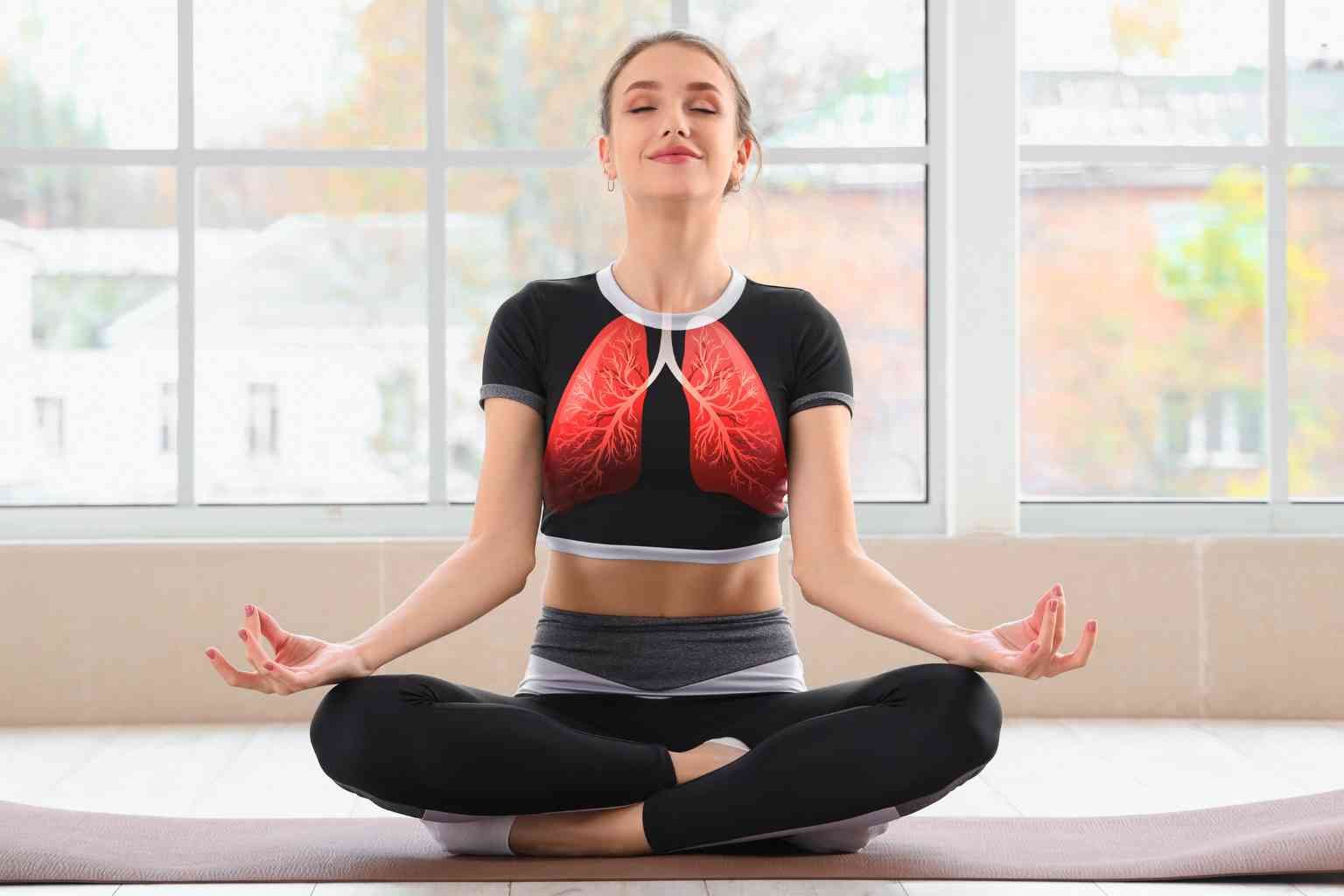
Some things we do automatically every second of the day without even stopping to think. But we breathe in a way that has powerful consequences for our body and mind. Quick, shallow breathing frequently accompanies stress; slow, controlled breathing promotes relaxation and healing. Understanding how to breath well can be a ticket to improved heart health, lower anxiety levels and increased sense of general well-being.
1. Why How You Breathe Matters More Than You Think
By breathing, the body receives oxygen on a cellular level. Organs, muscles and the brain run on oxygen. Bad breathing habits waste oxygen and can cause fatigue or nervousness. Breathing correctly increases energy and helps the body function properly.
2. How Stress Affects Breathing Patterns
In stress breathing is reduced and rapid. This kicks off the fight or flight mechanism – growing the heart rate and blood pressure. If you’re getting breath from only your upper chest, the body might be in a continued state of stress.
3. Benefits of Deep Breathing
Deep breathing stimulates the parasympathetic nervous system which helps calm your body. It decreases heart rate, lowers blood pressure and quiets the mind. Regular practice improves emotional balance.
4. The Physical Benefits of Breathing Techniques
There are a myriad of health benefits that come with deep breathing:
- Improved lung capacity
- Better oxygen circulation
- Reduced muscle tension
- Enhanced digestion
- Stronger immune response
These benefits support overall wellness.
5. Popular Breathing Techniques
There are benefits that come with breathing in different ways:
- Complete & proper lung expansion with diaphragmatic breathing
- Box breathing for stress management
- Alternate nostril breathing for balance
- Slow counted breathing for relaxation
- yogic pranayama for controlling the energy.
In almost all of these methods, the idea is that we train ourselves to breathe better.
6. Breathing and Heart Health
So breathing slowly increases heart rate variability, which is a sign of a healthier heart. It takes the strain of the cardiovascular system and helps you maintain long-term heart health.
7. Mental Health and Focus
How to do it: Controlled breathing can be a huge help for both concentration and anxiety. Because one of meditation’s goals is to quiet the mind and enhance clarity, many other techniques utilise breath awareness.
8. Improving Sleep Through Breath Control
Some gentle breathing exercises to do before bed sooth the nervous system. Deep, rhythmic breathing primes the body for slumber and helps decrease insomnia symptoms.
9. Symptoms of Bad Breathing Habits
If you have these symptoms, you might be helped by breathing exercises:
- Frequent sighing
- Tight chest muscles
- Shortness of breath
- Constant fatigue
- Stress related headaches
It’s the first step in all ofenhancement.
10. Making Breathing Practice a Daily Habit
All you need for breathing exercises is yourself; they’re completely portable. Even 5-10 minutes a day can be incredibly beneficial. Consistency is key, and it’s more important than intensity.
Key Takeaways
Benefits of breathing practices There are some reports on the benefits of breathing techniques to health, including oxygen intake, stress reduction, heart health and mental health. Tiny daily rituals can add zest to your day, improve focus and help you relax. Good breathing is a natural and powerful way to improve your health.
FAQs:
Q1. How does pranayama benefit you?
They facilitate breathing, alleviate stress, support heart and lung function.
Q2. How many times a day should I do breathing exercises?
A few minutes a day of daily practice might help.
Q3. Can breathing exercises reduce anxiety?
Yes, slow breathing relaxes the nervous system.
Q4. Are there any risks associated with breathwork?
Yes, most methods are safe to use when utilized gently and correctly.
Q5. Can breathing exercises improve sleep?
Yes, slow breathing does relax your body before bedtime.