
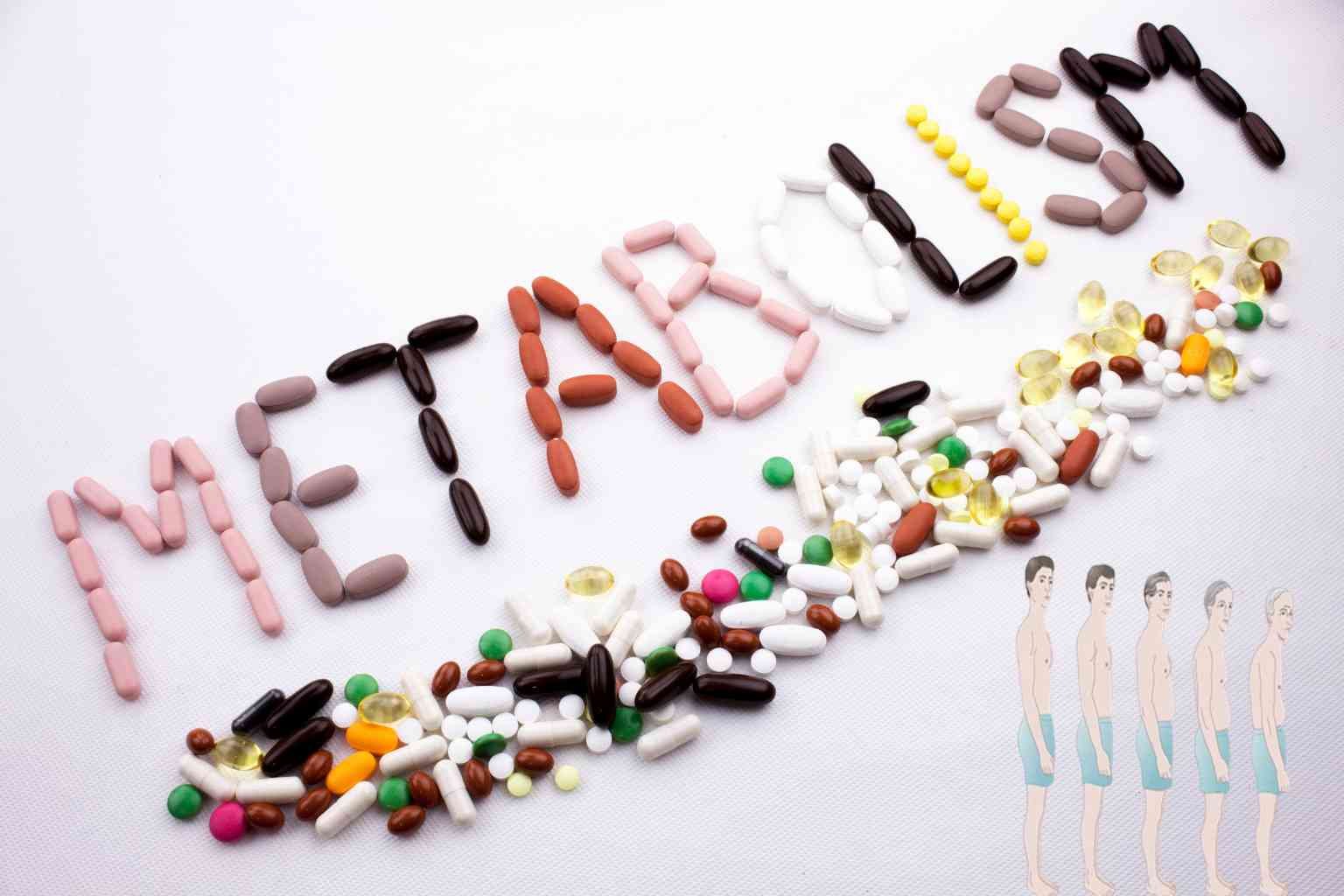
Metabolism is a big factor in the body’s ability to turn food into energy. In general, many people find that as they get older, it becomes increasingly difficult not to put on weight. This almost begs the question as to whether or not metabolism slows with age. The reality is that metabolism does shift over time, but knowing how and why it shifts can help you make better decisions about your health.
1. What Is Metabolism
Metabolism encompasses all of the chemical processes that keep your body alive and functioning. That includes the calories your body burns to breathe, digest, move and repair itself. Your body’s energy use is measured in calories, and your metabolism the way in which your body burns those calories to fuel essential functions such as breathing and circulation.
2. Does Your Metabolism Really Slow Down as You Age?
Studies show the metabolism slows with age, especially during and after middle age. But it’s not that simple.A switch is not a sudden thing. It happens slowly over decades. The drop is frequently associated more with loss of muscle than age alone and reduction in physical activity.
3. Contribution of Muscle Content to Metabolism
Muscle mass burns more calories than fat, even at rest. As we age, if we’re not active, muscle mass naturally diminishes. This decrease decreases the basal metabolic rate, so we’re not burning as many calories at rest throughout the day.
4. Hormonal Changes Over Time
Hormones influence metabolism significantly. Hormones such as estrogen, testosterone, and thyroid hormones regulate some aspects of how our body processes energy. These fluctuations in hormones can sometimes disrupt your weight’s stability.
5. Lifestyle Factors That Influence Metabolism
Several factors related to the way you live affect metabolism more than age:
- Physical activity levels
- Sleep quality
- Diet and protein intake
- Stress levels
- Hydration
Keeping up good habits helps mitigate the decline in metabolism.
6. Changes in Body Composition
Over time, the body stores more fat and loses lean muscle. This alteration affects the economy of calories burned. Even with no change in body weight, body composition can alter.
7. Signs Your Metabolism May Be Slowing
Some common signs include:
- Slow weight gain with no changes in diet
- Reduced energy levels
- Increased fatigue
- Difficulty losing weight
- Changes in appetite
And spotting those signals early might help promote healthier habits.
8. How Physical Activity Helps
Regular resistance training preserves muscle and metabolic health. Aerobic activity does more than tone your heart and burn calories. One of the best methods to stabilize your metabolism is simply being active.
9. Importance of Nutrition
An adequate nutrition is essential for metabolic homeostases. Eating enough protein helps maintain muscle. By eating regular meals and refraining from dropping calories too low, the metabolic slowdown can be avoided.
10. Healthy Aging and Metabolism
Although there are some natural metabolic changes that come with aging, they’re not an absolute. The right mix of exercise, diet, stress management and sleep can keep your metabolism chugging along between ages 30 to 60 and beyond.
Key Takeaways
Metabolism naturally slows as you age, largely because of a loss of muscle mass and hormonal fluctuations. But lifestyle, including exercise and diet, has a profound effect. Preserving muscle mass and remaining active can contribute to the health of our metabolism and ours bodies as we age.
FAQs:
Q1. What age does metabolism slow down?
It tend to slow over time, gradually decelerating after you reach early adulthood, with the biggest changes coming in middle age.
Q2. Is it true that exercise can elevate your metabolism as you age?
Less so, particularly strength training that maintains muscle mass.
Q3. Are age related metabolic changes affected by diet?
Yep, good nutrition and sufficient protein contributes to overall metabolic health.
Q4. So with increasing age, gain of weight can not be escapable?
No, healthy habits in life can treat weight successfully.
Q5. Is there a way we can jam metabolism later in life?
Yes, and an active lifestyle and healthy habits can possibly promote healthier metabolic function.