
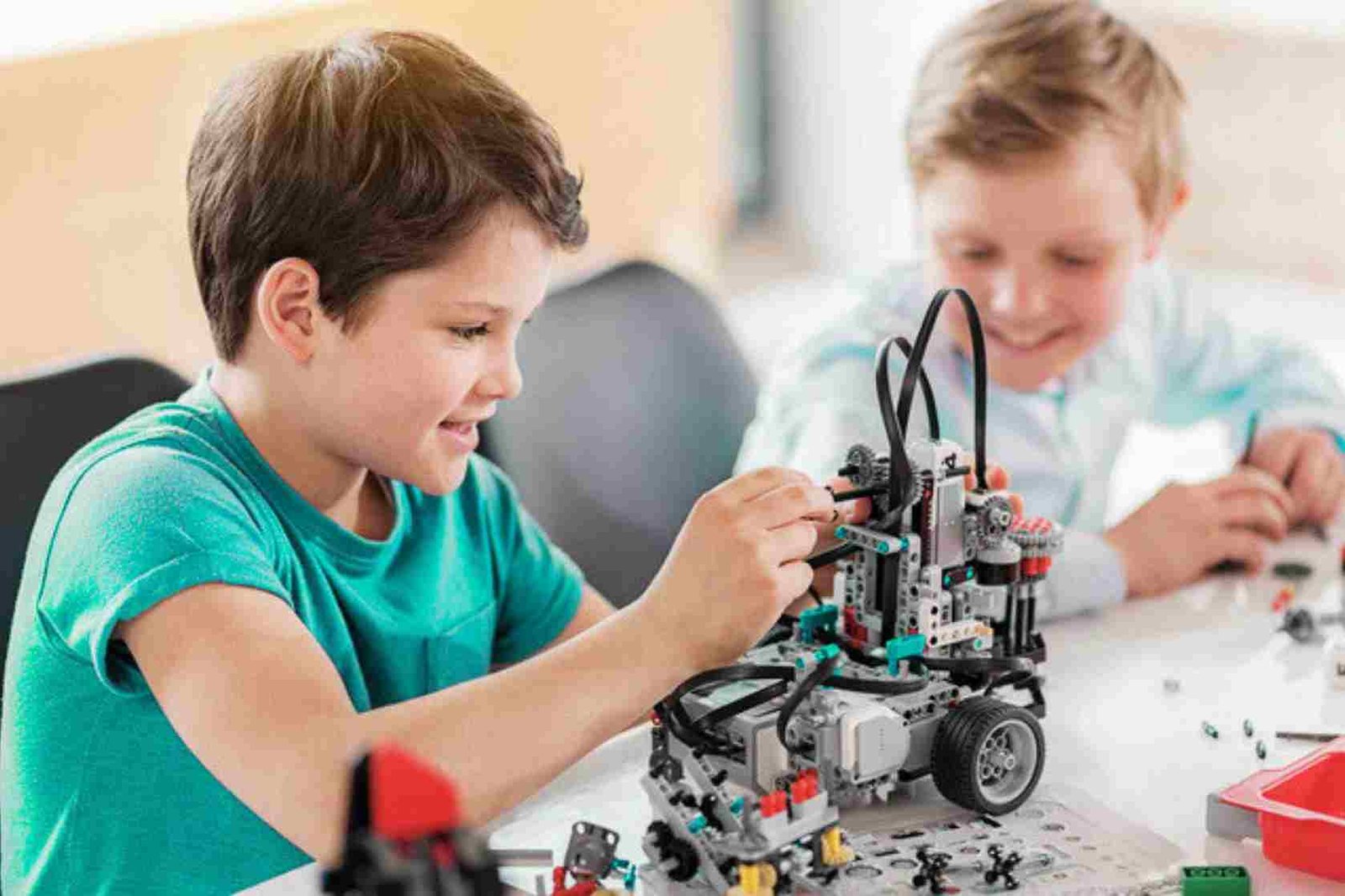
Success in life is a perennial journey, not an overnight story. It’s an incremental process achieved through practice, learning, and continually refining. One of the most solid stepping stones for long term growth is early skill acquisition. By teaching children to learn new skills at a young age, they develop confidence, flexibility and problem solving, which can sustain them through any life situation.
Early exposure to skills is not synonymous with pressure or stress. It is about giving kids the opportunity to play, learn and gro in a very supportive environment.
1. The Early Years are Key
The first few years of life are especially important, because the brain grows most rapidly during these early years. Children quickly pick up information, which results in habits that shape their future. Developing skills early allows them to create strong mental and emotional footing.
2. Confidence Building Early in Life.
As children learn new skills at an early age, they are capable and confident. From speaking clearly to unraveling puzzles, throwing the ball and many other activities, every success builds self confidence. And that confidence helps them take on new challenges in their later years.
3. Developing Problem Solving Abilities
Skill development at an early level enhances thinking. Puzzles, story telling sessions, building blocks or any other creative activities help in developing logical reasoning. Children who have these skills are better at handling academic and real life problems as they grow.
4. Improving Communication Skills
One of the critical lifelong skills is communication. As children learn to read, speak and listen at early ages, they acquire a keener social/emotional understanding. Good communication skills lead to better relationships and future employment opportunities.
5. What Skills Should Be Developed Early
Children learn naturally and can start working on a variety of skills:
- Basic reading and writing skills
- Artistic talents in drawing or music
- Physcical skills via sport or dance
- Social skills through teamwork activities
- and digital skills like foundational coding
All these traits develop a well-rounded person.
6. Parents and Teachers in Shaping Attitudes
Parents, and teachers to a lesser extent, largely influence early development. Praise, patience and positive reinforcement help children stay motivated. A permissive climate where children can experiment without the threat of making mistakes.
7. Teaching at the Junction of Technology and Innovation
Modern education includes digital literacy. Responsible tech-intro for children is preparing them for a future career. And learning basic computer skills or coding at a young age can keep them comfortable with innovation.
8. Lifelong Learning Becomes a Habit
Children who are taught skills at a young age usually continue learning as they grow older. They know how to keep developing. This outlook allows them to be flexible with the changes in education, careers, and the society.
9. Typical Obstacles to Learning Skills Even Sooner
Early growth may be slower for some challenges:
- Lack of guidance or support
- Limited access to learning resources
- screen time years without focus for learning
- Fear of failure or criticism
- Pressure instead of encouragement
Breaking down these barriers is essential for children to realize their full potential.
10. How to shape the future by rearing from early skill development
Early habits can lead to long-term benefits. The skills you acquire in childhood become strengths in adulthood. Weather it be for academic, career or personal life, to learn early is the foundation of success.
Key Takeaways
- Never forget: Early childhood, when the brain is developing and habits are established, matters.
- Young children get more confidence if they pick up new skills early
- The more you can practice the betterl your problem solving and communication will become.
- Well-rounded development covers draw, build and code skills
- Early positive experiences is the first step in lifelong learning.”
FAQs:
Q1. Why should we encourage skill learning from a young age?
That’s because childhood is the perfect time to learn and create strong foundations.
Q2. What skills are the most important for children to learn first?
Essential skills for communication, socializing, creativity and problem-solving.
Q3. That early learning is synonymous with academic pressure?
No, it should be about fun and exploring and an even expansion.
Q4. What can parents do to help early development?
By fostering curiosity, providing learning tools and supplying positive feedback.
Q5. Even skills learnt as a child can influence career success?
Yes, the early confident and adaptive usually end up with better career prospects.